
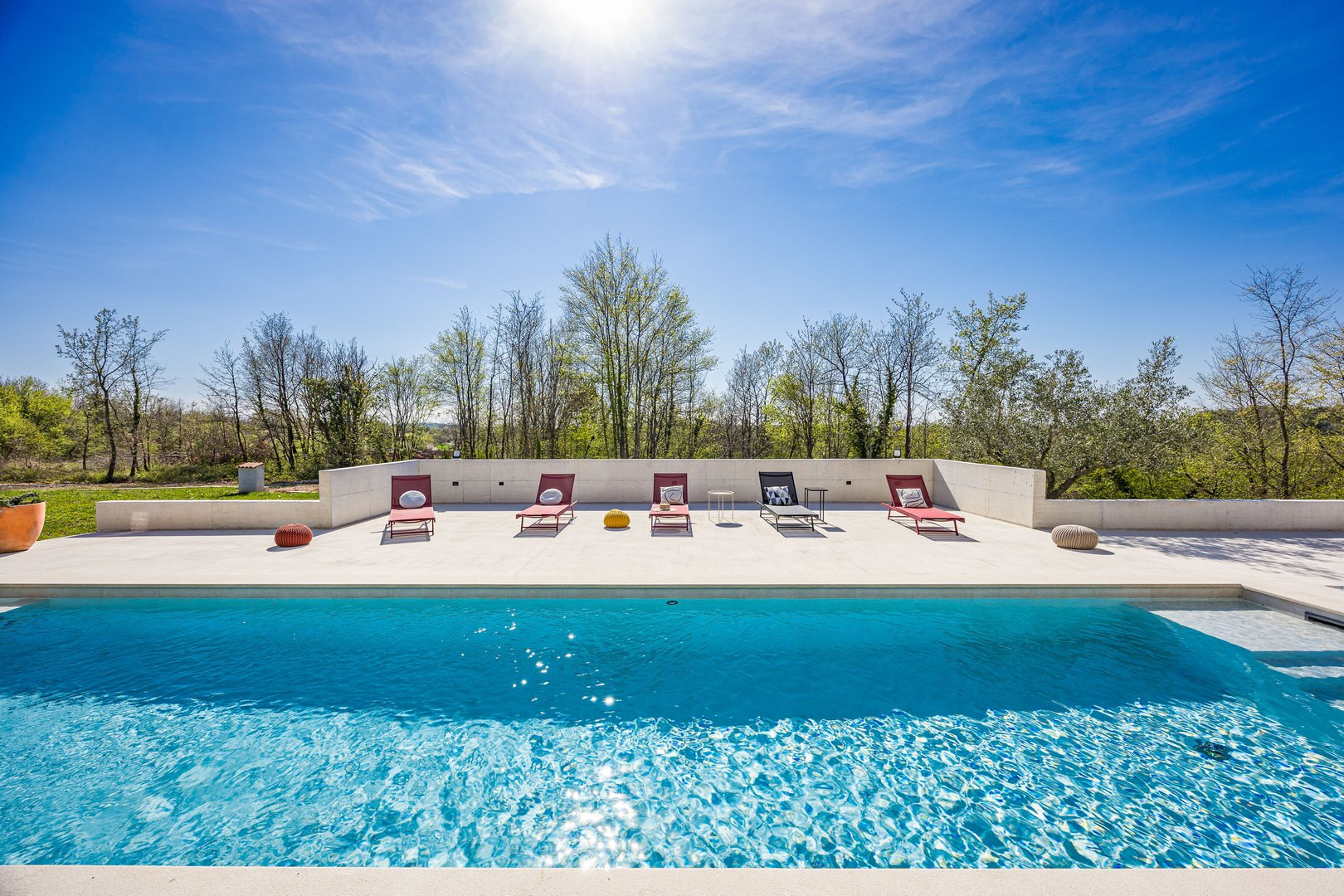
When is the best time to visit Croatia? This guide compares Istria, Kvarner, Dalmatia, Dubrovnik, the islands and Plitvice Lakes month by month, with sea temperatures, crowd levels and the ideal season for every travel style. Whether you want beach days, wine roads or a peaceful villa escape, find the right time for your perfect Croatian holiday!
Croatia is not a one-season destination. The same week that is perfect for beach clubs on Hvar can be too hot for exploring Dubrovnik's walls, and the month when Istria's truffle forests come alive is the month many island restaurants close for winter. Choosing when to go is really about choosing where to go, and what kind of holiday you want.
This guide breaks down the best time to visit Croatia region by region, from Istria and Kvarner in the north to Dalmatia, Dubrovnik and the islands in the south, plus Plitvice Lakes and the continental side of the country. You will find a month-by-month overview, honest notes on crowds and ferry schedules, and tips on which season suits families, couples, groups and villa holidays best.
Short answer: for most travelers the best time to visit Croatia is late May to June or September. The sea is warm enough for swimming, the weather is reliably sunny, and you avoid the peak crowds and prices of July and August.
Croatia Month by Month at a Glance
The table below shows typical conditions on the central Adriatic coast (Split area). Istria and Kvarner are usually 1–3 °C cooler, while Dubrovnik is slightly warmer. Figures are long-term averages and can vary from year to year.
| Month | Avg. daytime high | Sea temperature | Crowds | Best for |
|---|---|---|---|---|
| January–February | 10–12 °C | 13–14 °C | Very low | City breaks, Rijeka Carnival, wellness |
| March | 14 °C | 13–14 °C | Low | Hiking, quiet sightseeing |
| April | 17–18 °C | 15–16 °C | Low | Plitvice and Krka waterfalls, Easter, cycling |
| May | 22–23 °C | 18–19 °C | Moderate | Sightseeing, national parks, villas with heated pools |
| June | 26–27 °C | 22–23 °C | Moderate–high | Families, beaches, sailing |
| July | 29–30 °C | 24–25 °C | Very high | Beach holidays, festivals, nightlife |
| August | 29–30 °C | 25–26 °C | Very high | Swimming, island hopping, groups |
| September | 25–26 °C | 23–24 °C | Moderate | Couples, sailing, wine, villa holidays |
| October | 20–21 °C | 20–21 °C | Low | Istria truffles and olive harvest, walking |
| November–December | 12–16 °C | 15–18 °C | Very low | Advent markets, gastronomy, long stays |
For a closer look at the most popular shoulder-season month, see our guide to the weather in Croatia in May.
Croatia's Travel Seasons Explained
The Adriatic coast has a Mediterranean climate with long, dry summers and mild, wetter winters. Inland Croatia, including Zagreb and Plitvice, has a continental climate with warm summers and cold, sometimes snowy winters. That difference matters: a sunny 18 °C day in Split in November can be a foggy 6 °C day in Zagreb.
Spring (April to early June)
Spring is one of the most underrated times to visit Croatia. The countryside is green, waterfalls are at their fullest, and old towns are calm enough to enjoy without queues. The sea is still cool in April and early May, so this is the season for sightseeing, hiking, cycling and wine tasting rather than long beach days.
From mid-May, coastal temperatures become properly warm. If you want to swim before the sea reaches summer temperatures, a villa with a heated pool is the easiest way to enjoy the outdoors from the first day of your stay.
Summer (late June to August)
July and August are peak season. The Adriatic is at its warmest, every beach bar and island connection is running, and the coast is full of festivals, open-air concerts and nightlife. It is the most reliable time for a classic beach holiday and the only time many families can travel because of school holidays.
The trade-offs are real: higher prices, busy beaches, long queues on ferries and heavy traffic on coastal roads, especially on Saturdays when most holiday rentals change over. Midday temperatures above 30 °C make sightseeing tiring. If you travel in summer, book early and plan sightseeing for the morning and evening. A private villa with its own pool gives you a quiet base away from crowded beaches and hotel decks.
Early Autumn (September to October)
Many experienced travelers consider September the best month to visit Croatia. The sea keeps its summer warmth, the heat eases, and the crowds thin out quickly once schools reopen. Restaurants, beach bars and boat trips still operate through most of the month.
October is quieter and more variable, with a mix of sunny days and the first autumn storms. It is excellent in Istria and around Dubrovnik, where the season runs longer. Keep in mind that ferry and catamaran timetables are usually reduced from October, and many island restaurants and beach bars close for winter. We cover the advantages of late-season travel in more detail in why renting a villa in September is a good idea.
Winter (November to March)
Winter is the low season on the coast. Beach holidays are off the table, but prices are at their lowest and cities feel authentically local. Zagreb's Advent market is one of the best-known in Europe, Opatija and Rijeka are lively through the winter, and Rijeka hosts one of Europe's largest carnivals in the weeks before Lent.
Winter suits city breaks, gastronomy trips, wellness escapes and longer stays for remote workers. For a cosy winter retreat, look at our villas with a sauna, ideal after a day of walking by the sea or in the mountains.
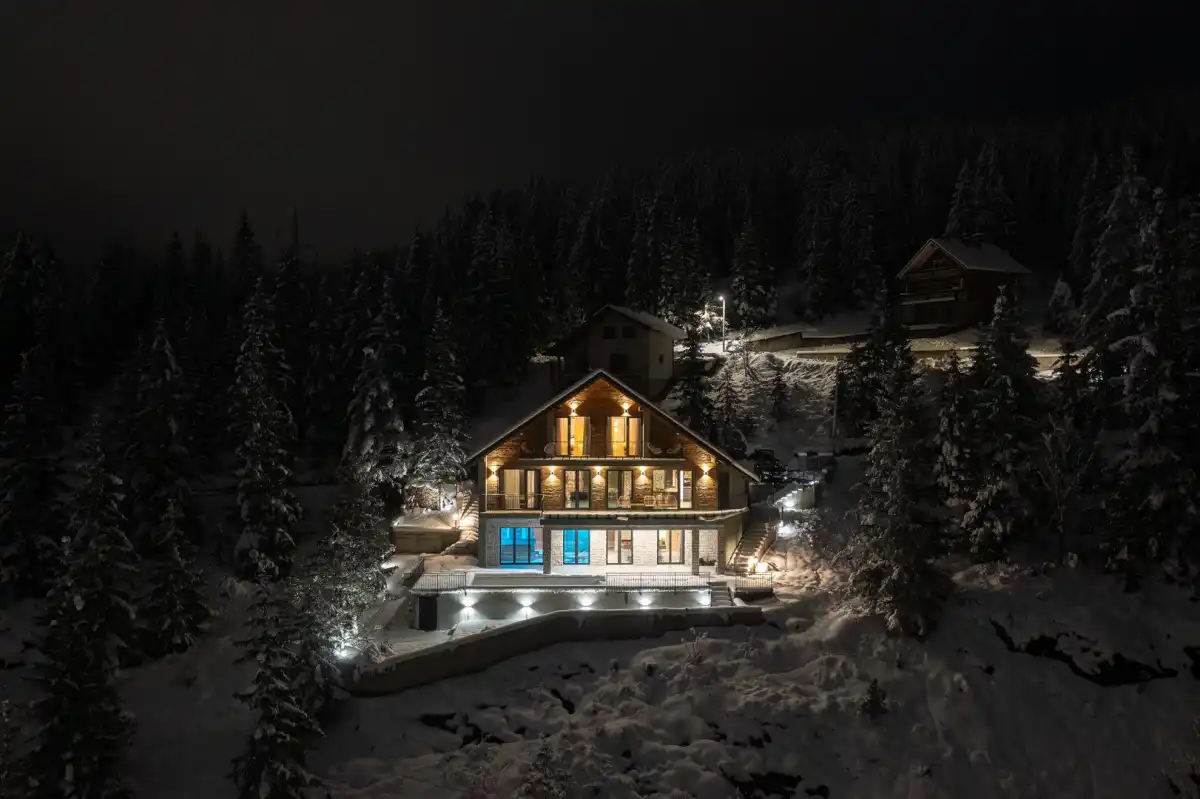
Best Time to Visit Istria
Istria, in Croatia's north-west, combines hilltop towns, vineyards, olive groves and elegant coastal towns such as Rovinj, Poreč and Novigrad. It has a slightly milder summer than Dalmatia and the longest food-and-wine season in the country, which makes it a strong choice outside July and August.
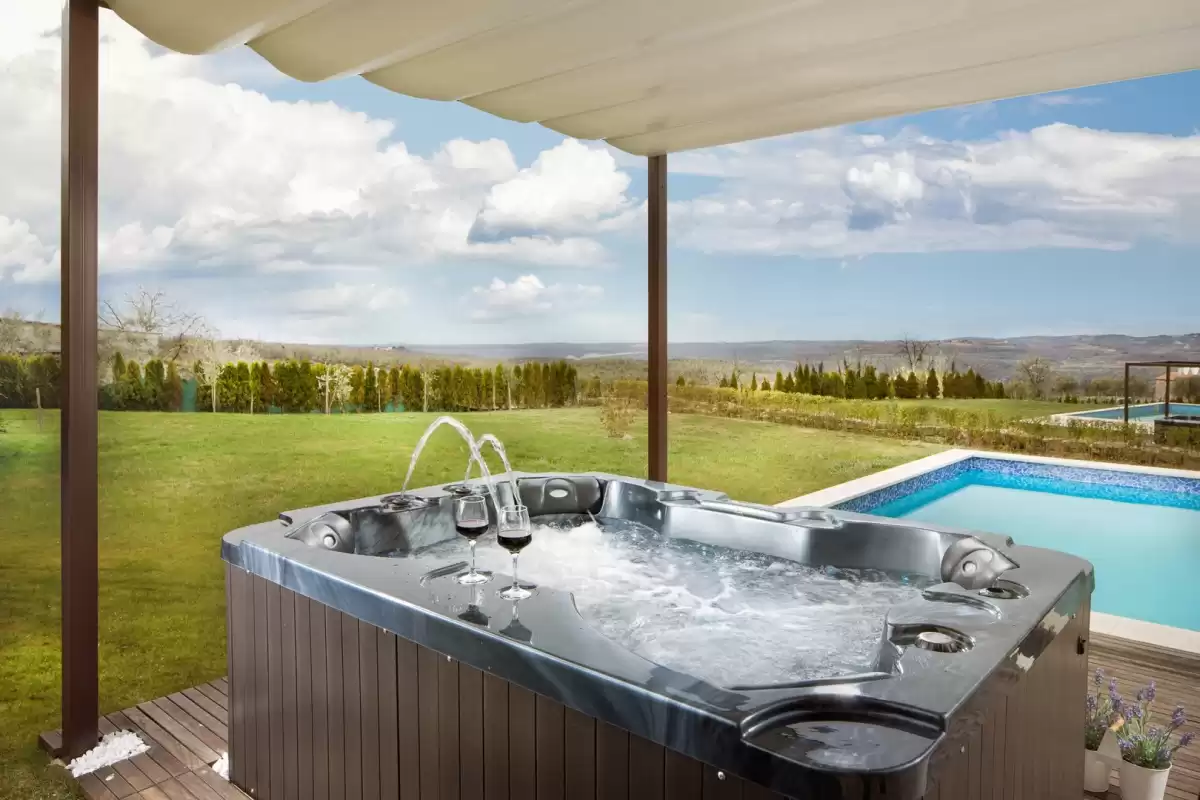
Spring (April–June): green hills, wildflowers and ideal temperatures for cycling the old Parenzana railway route, exploring Motovun and Grožnjan, and wine tasting at family estates. This is a great time for a romantic villa stay in the Istrian interior.
Summer (July–August): Rovinj, Poreč and Umag are lively, with beach clubs, festivals and busy harbour promenades. Istria still feels more relaxed than the busiest parts of Dalmatia, and inland villas stay pleasantly quiet even in August.
Autumn (September–November): the most authentic season. Grape harvest is followed by the olive harvest, and the white truffle season draws food lovers to the forests around Motovun. If gastronomy matters to you, this is the time to go.
Browse our villas in Istria, and for ideas on how to spend your days, see our top 14 activities in Istria.
Best Time to Visit Kvarner
Kvarner, the bay between Istria and Dalmatia, is often overlooked, yet it offers one of the longest seasons on the Croatian coast. It combines the Belle Époque elegance of Opatija, the city life of Rijeka, the islands of Krk, Cres, Lošinj and Rab, and the forested mountains of Gorski Kotar just half an hour inland.
May, June and September are ideal for the coast and islands: warm, green and uncrowded. Lošinj is known for its mild climate and is pleasant well into autumn. In July and August, Krk and Rab are busy family destinations with sandy and pebble beaches.
Kvarner is also one of the best regions for winter and early spring. Opatija's seafront promenade stays elegant all year, Rijeka's carnival fills the city in late winter, and Gorski Kotar offers snow, forest walks and log-fire evenings within easy reach of the sea.
Find your base among our villas in Kvarner, from Opatija and Rijeka to the islands, or browse our villas on Krk, the easiest Kvarner island to reach thanks to its bridge to the mainland.
Best Time to Visit Dalmatia
Dalmatia stretches along the central and southern coast and includes many of Croatia's most famous towns, islands and beaches. Different parts of Dalmatia offer quite different experiences, so it is worth looking at each area separately. If beaches are your priority, start with our guide to the best beaches in Dalmatia.
Zadar Region
The Zadar region offers a great balance of beaches, islands, nature and culture, and it stays more relaxed than Split or Dubrovnik even in summer. The best months are May, June and September, when the sea is warm enough for swimming and national parks are pleasant to explore.
From Zadar you can reach Kornati National Park, Paklenica National Park, Telašćica on Dugi Otok, the historic town of Nin and the island of Pag. Spring and autumn are best for hiking in Paklenica National Park, while June to September is ideal for boat trips to the Kornati and the nearby islands. Families will appreciate the shallow sandy beaches around Nin and Privlaka in June and early September.
Browse our villas in Zadar, and read where to stay in Zadar to choose the right part of the region.
Šibenik Region and Krka National Park
Šibenik combines a UNESCO-listed cathedral, a lively old town and easy access to Krka National Park and the islands of the Šibenik archipelago. Krka is at its most impressive in spring, when the waterfalls carry the most water, and pleasantly quiet in autumn. Note that swimming at Krka's waterfalls is no longer permitted.
For a beach-focused stay, June and September are ideal in Primošten, Vodice and on Murter. See our list of things to do in Šibenik and browse our villas in Šibenik.
Split and Central Dalmatia
Split, Trogir and the Makarska Riviera are ideal for travelers who want a dynamic atmosphere combined with beaches and island day trips. June and September are perfect for sightseeing in Diocletian's Palace, sailing and relaxed beach days. July and August suit those who want festivals, beach clubs and buzzing nightlife. The Makarska Riviera is at its best in June and September, when it is warm enough to swim and cool enough to hike up Biokovo.
Browse our villas in Split and central Dalmatia. If you prefer peace and space, consider a villa in the Dalmatian hinterland. Inland villas are often larger, more private and better value in peak season, while the beach is only a short drive away.
Dubrovnik
Dubrovnik is one of the most famous destinations in the Mediterranean, and timing makes a big difference. May, June, September and October are the best months: warm enough for swimming, with comfortable temperatures for walking the city walls.
Dubrovnik is also a major cruise port, and cruise ships call throughout the spring and autumn as well as in summer. Before choosing your dates, it is worth checking the cruise schedule and planning old town visits for early morning or late afternoon on busy days. July and August are the most crowded and expensive months, but they also bring the Dubrovnik Summer Festival, with open-air theatre and concerts in the old town.
Dubrovnik's season runs longer than most of the coast, which makes it a good choice for October. Read where to stay in Dubrovnik and browse our villas in Dubrovnik. The nearby islands of Korčula and Mljet make wonderful, calmer alternatives.
Best Time to Visit the Croatian Islands
The Croatian islands are at their best from June to September. Outside this period many islands become very quiet: ferry connections are reduced, and many restaurants and shops close. That can be wonderfully peaceful, but plan carefully if you visit between November and April. Our guide on how to get to the Croatian islands by car covers ferries and booking tips.
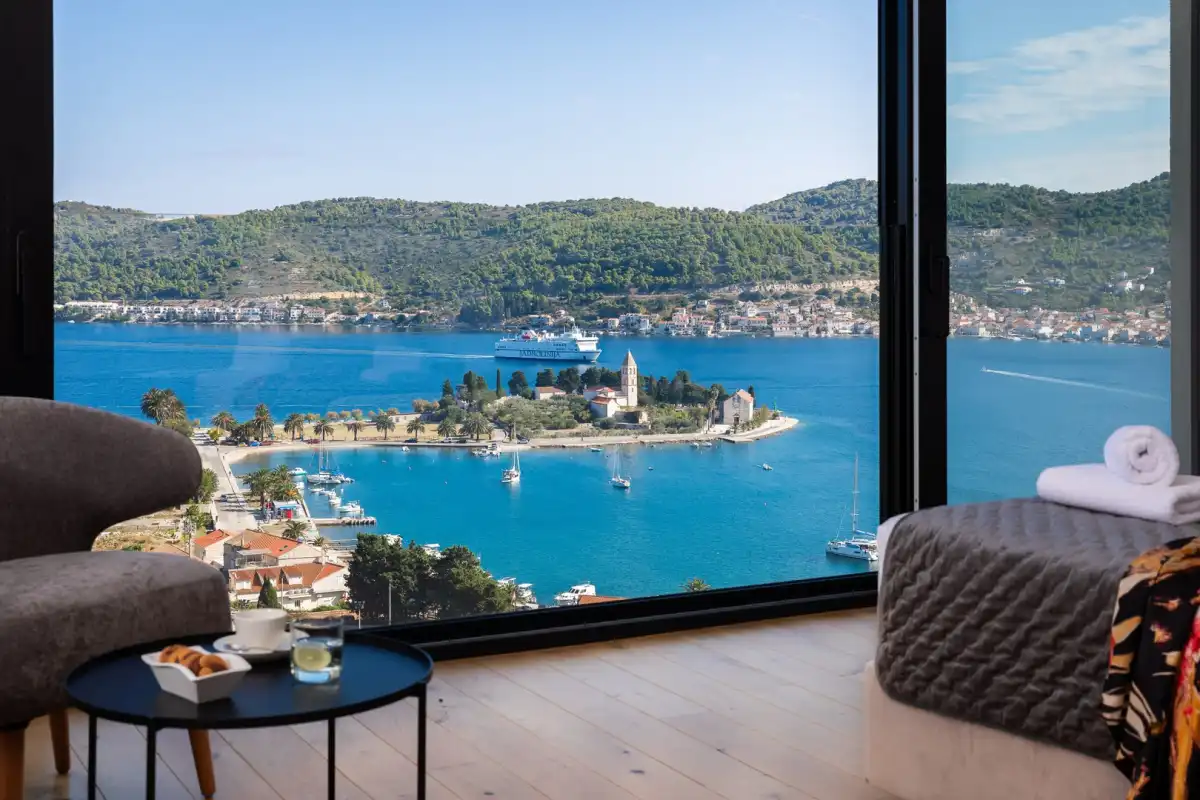
Hvar
Hvar is known for its stylish harbour, beach clubs and yacht scene, but it is also one of the sunniest islands in the Adriatic, with lavender fields and quiet villages in the interior. Visit in July and August for nightlife and buzz, or in June and September for warm sea and a calmer atmosphere. Browse our villas on Hvar.
Brač
Brač is a favourite for families and water-sports fans, home to the famous Zlatni Rat beach in Bol, one of the best windsurfing spots in Croatia. June and early September are ideal for families, while the summer afternoon winds in Bol are perfect for windsurfing in July and August. Browse our villas on Brač.
Vis
Vis, the most remote of the central Dalmatian islands, has a slower pace, excellent local wine and some of the clearest water in the Adriatic. It is ideal for couples and anyone looking for an authentic island feel. May, June and September are the best months, when the island is warm but uncrowded. Browse our villas on Vis.
Korčula and Mljet
Korčula combines a beautiful medieval old town with vineyards and quiet coves, while Mljet is largely covered by a national park with saltwater lakes. Both are best from June to September, and both work well as a peaceful base close to Dubrovnik.
Dugi Otok
Dugi Otok is perfect for nature lovers and anyone looking for hidden beaches, from Sakarun's turquoise bay to the cliffs of Telašćica Nature Park. June and September are ideal, with pleasant weather and fewer boats in the bays.
Looking for your own island retreat? Browse all our villas on Croatian islands.
Best Time to Visit Plitvice Lakes and Inland Croatia
Plitvice Lakes, Croatia's most visited national park, changes completely with the seasons. April to June is the best time, when the waterfalls are at their fullest and the forests are bright green. October brings beautiful autumn colours and far fewer visitors. In July and August the park is very busy; buy tickets online in advance and arrive at opening time. In winter, Plitvice can be covered in snow and frozen waterfalls, though some trails and boat routes are closed.
Plitvice is an easy day trip from the Zadar region, which makes it a great addition to a villa holiday on the northern Dalmatian coast. For more on Plitvice, Krka, Paklenica and the rest, see our guide to national parks in Croatia.
Zagreb and continental Croatia are pleasant in spring and autumn, and especially atmospheric in December, when the capital hosts its award-winning Advent market. Summer in the interior is hot, so if you are combining Zagreb with the coast, spend the cooler days inland and the hottest days by the sea.
Best Time to Visit Croatia for Beaches and Swimming
If swimming is your top priority, the sea is warmest from mid-July to early September, typically around 24–26 °C. June is often the best balance: the sea reaches a comfortable 22–23 °C, beaches are less crowded and prices are lower than in peak season. September is just as good, because the Adriatic holds its summer warmth long after air temperatures start to fall.
For the ultimate beach holiday, stay right by the water in one of our beachfront villas.
Best Time to Visit Croatia to Avoid Crowds
For the best mix of good weather and fewer people, travel from late May to mid-June or from early September to early October. You will enjoy quieter beaches, easier parking, less traffic, better restaurant availability and a more authentic local atmosphere.
This matters most in Dubrovnik, Split, Hvar, Rovinj and Plitvice, where visitor numbers in July and August can be very high. Inland villas, smaller islands such as Vis, Dugi Otok, Lastovo and Pašman, and the Istrian interior stay calm even in peak season.
Best Time for a Luxury Villa Holiday in Croatia
Villa holidays work well throughout the warm season, but each period has clear advantages.
- April–May: excellent value and real privacy. Choose a villa with a heated pool so you can swim even when the sea is still cool.
- June: warm sea, long days and moderate prices. Ideal for families before the peak summer crowds; see our family-friendly villas.
- July–August: the full summer atmosphere, perfect for groups of friends and multi-generational families. Book early, as the most popular villas are often reserved months in advance; see our large villas with pool.
- September: many guests' favourite month, combining warm sea, calm surroundings and a relaxed pace. Perfect for couples, wine lovers and wellness stays.
- October–March: quiet, authentic and great value for longer stays, remote work and wellness retreats.
Best Month to Visit Croatia by Travel Style
- Families: June and early September offer warm sea, pleasant temperatures and fewer crowds. If you can only travel in July or August, choose a villa with a private pool and plan beach time for mornings and late afternoons.
- Couples: September is hard to beat, with warm sea, golden light and a relaxed atmosphere. May is a lovely alternative for sightseeing and wine tasting.
- Luxury travelers: May, June and September give the best balance of weather, privacy and service.
- Nature lovers and hikers: April to early June and late September to October are best for national parks, waterfalls and mountain trails.
- Food and wine lovers: September to November, for the grape harvest, olive harvest and Istrian truffle season.
- Party travelers: July and August, when beach clubs and festivals are in full swing.
- Groups of friends: June to September in a large villa with a pool.
- Remote workers: October to May, when long stays are better value and towns are calm.
Frequently Asked Questions
What is the best month to visit Croatia?
For most travelers, September is the best month to visit Croatia, closely followed by June. Both offer warm sea, sunny weather and noticeably fewer crowds than July and August.
When is the sea warm enough to swim in Croatia?
The sea is comfortable for most swimmers from mid-June to late September, when it is usually above 22 °C. Many people already swim in late May and well into October, when the water is around 19–21 °C.
What is the cheapest time to visit Croatia?
Prices are lowest from November to March. For a beach holiday on a budget, May and late September offer the best balance between price and weather.
Is October a good time to visit Croatia?
Yes, especially in Istria, Dubrovnik and the larger coastal towns. The weather is often mild and sunny, and the sea is still swimmable in the first half of the month. Expect reduced ferry schedules and some seasonal closures on smaller islands.
When should I book a villa for summer in Croatia?
For July and August, it is best to book several months in advance, ideally in winter or early spring, especially for large villas and popular locations. For May, June and September, availability is wider, but the best villas still book up early. Check our latest special offers for the best value.
Final Thoughts
There is no single perfect time to visit Croatia, because each region and season offers something different. Summer brings the classic beach-and-island holiday, while late spring and early autumn reward travelers with warm sea, beautiful light, calmer towns and better value. Autumn in Istria, winter in Kvarner and spring at Plitvice show sides of Croatia that most summer visitors never see.
Whether you dream of island hopping in Dalmatia, wine roads in Istria or a quiet villa surrounded by nature, choosing the right region and season will shape your whole holiday. Browse all our villas in Croatia or contact our team, and we will gladly help you find the right villa for your dates.
